
What is Floor Dilapidations?
A schedule of dilapidations is a formal list of breaches of your lease repair and reinstatement obligations, usually drawn up by the landlord’s surveyor towards the end of the term. It sets out the works needed to return the unit to its agreed condition.
In large industrial units, the floor is frequently the most costly line on that schedule. Years of forklift traffic, impact, point loading and chemical exposure leave cracking, failed joints, worn coatings and redundant line markings, all of which fall to the tenant to put right.
“Making good” means repairing that damage to the standard set out in the lease, not simply patching the worst of it. That can mean stitching cracks, rebuilding joints, stripping failed coatings, resurfacing worn areas and reinstating compliant markings. Getting it specified correctly is what protects you from an inflated claim.


Lease Compliance
Works specified to meet your schedule and yield-up clause, not guesswork.

Rapid Turnaround
Fast-cure resin systems that hit tight handback dates with minimal downtime.

Whole-Unit Capability
Large warehouse and factory floors covered in single, planned mobilisations.

Documented Handover
Photographic and specification records to evidence completion to your landlord or surveyor.
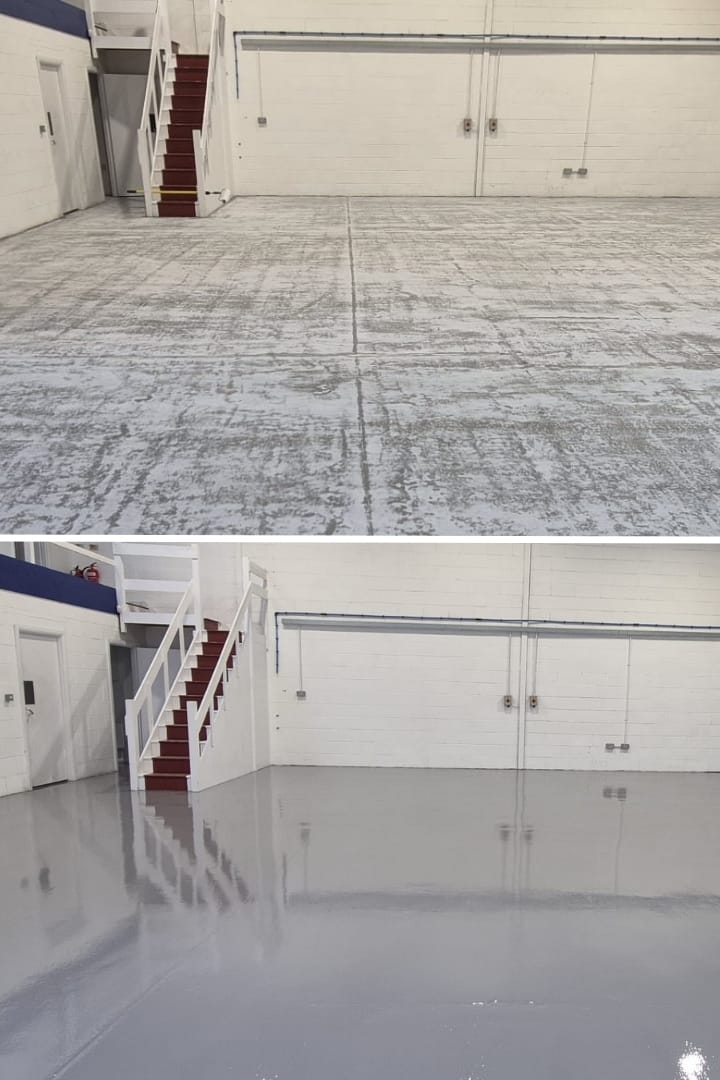
Why Choose Resin for End-of-Lease Floor Renovation?
When a flooring schedule lands, you have three realistic options. Here is how they compare.
Settle financially: Paying the landlord a cash settlement avoids the work entirely. It is quick, but you have no control over the figure; settlements are often inflated, and you pay for a floor you never get the benefit of.
Patch with concrete or screed: Filling cracks and potholes with cementitious repair is cheap up front. It rarely matches the surrounding floor, breaks down again under traffic, and a surveyor can reject it as below the required standard.
Full resin repair and recoat: A resin system repairs the substrate and delivers a seamless, hard-wearing finish across the whole floor. It costs more than a patch, but it is faster than you would expect, meets the schedule the first time, and leaves a floor that passes inspection.
For most warehouse and factory floors, resin is the route that clears the schedule on time and avoids a second round of work. That said, if your landlord has confirmed plans to redevelop, a settlement may make more sense, and we will tell you straight if that is the case.
Dilapidation Flooring Services
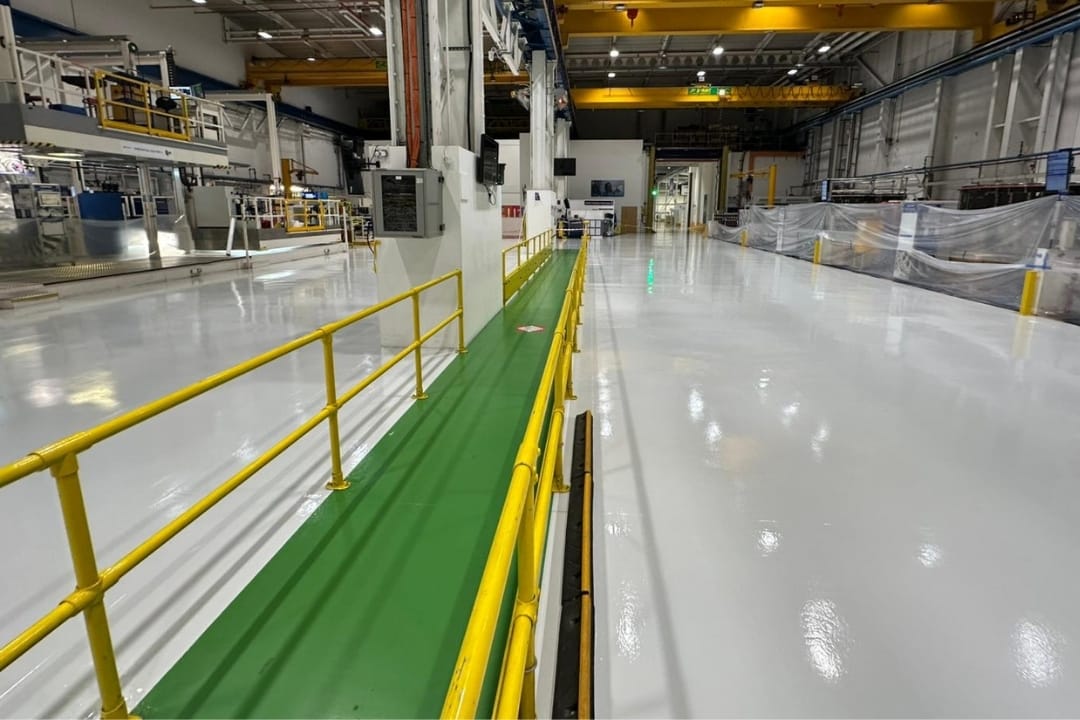
Floor Survey and Schedule Support
We inspect the floor against your schedule and produce a costed remedial specification, so you know exactly what the works should cost before you commit.
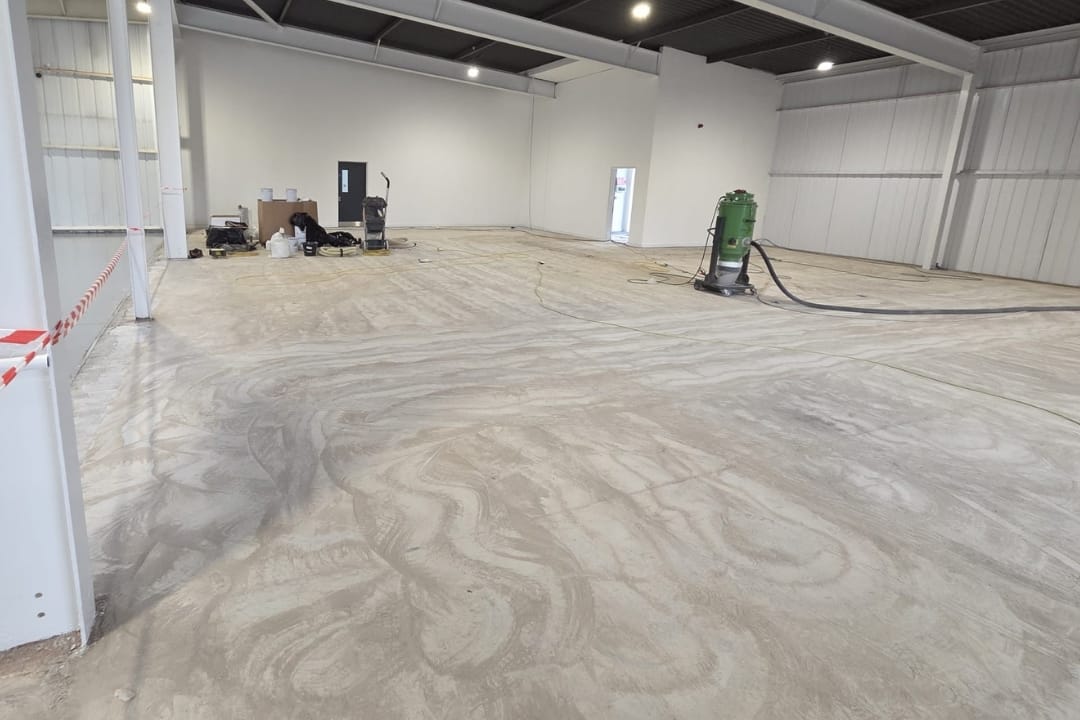
Concrete Repair and Crack Stitching
Patch repair of spalling, potholes and impact damage, plus structural crack stitching to restore a sound slab.
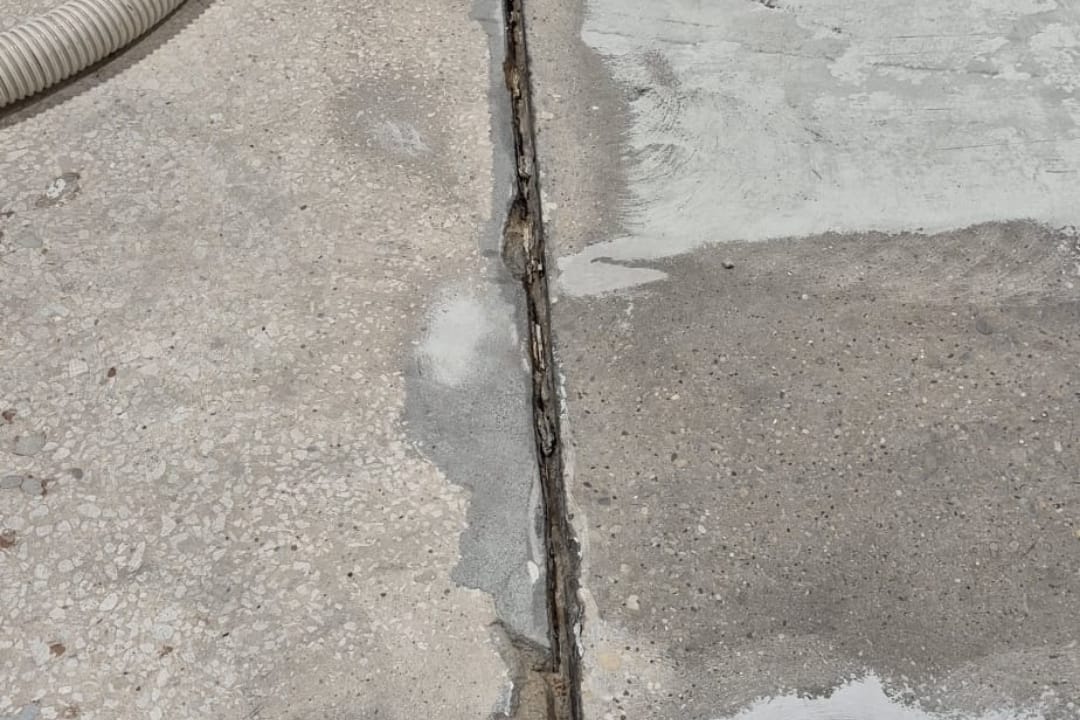
Joint Repair and Re-Sealing
Rebuilding worn or spalled joint arrises and re-sealing movement joints is one of the most common items on a warehouse schedule.
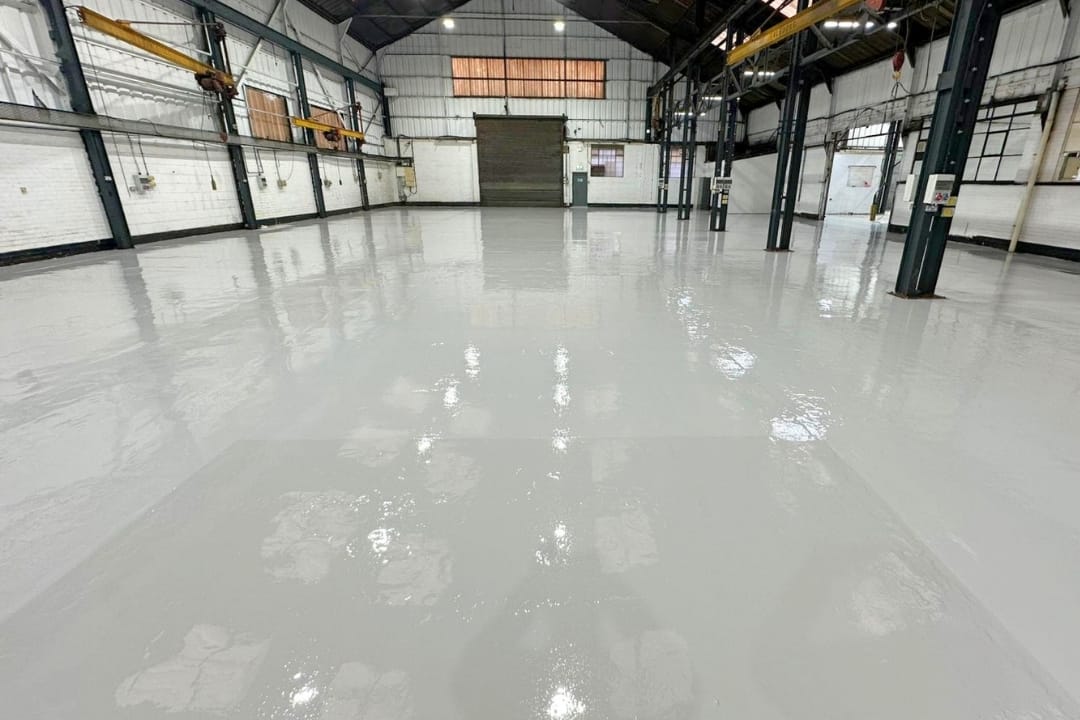
Floor Levelling
Re-levelling sunken, uneven or heavily rutted slabs to create a sound base before recoating.
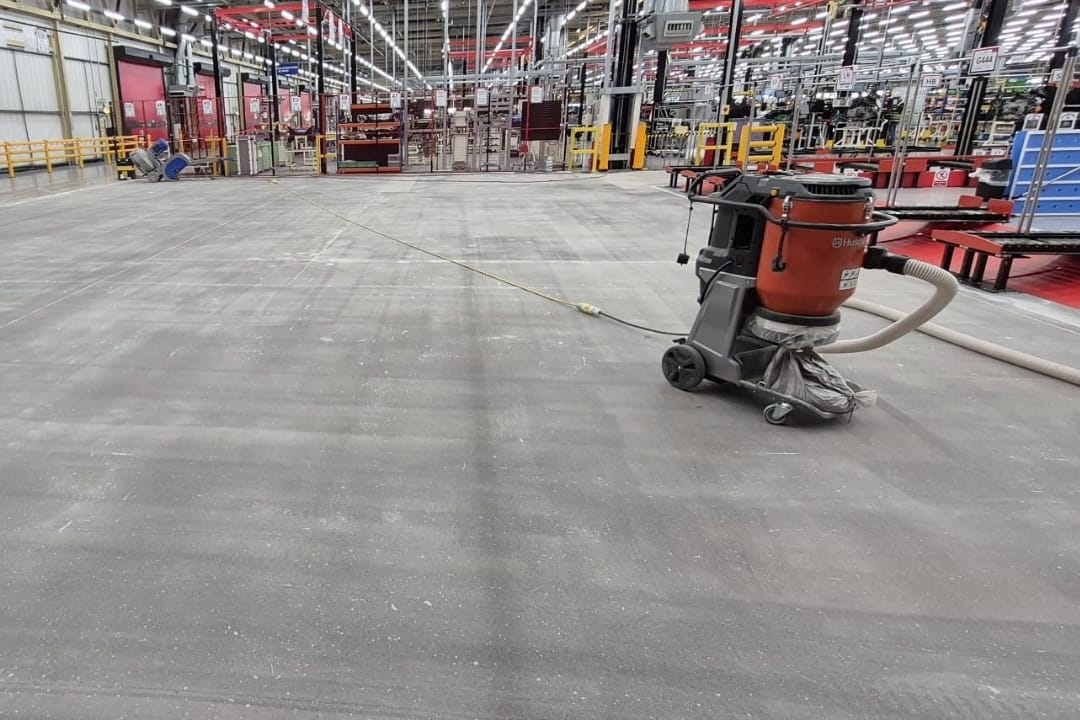
Surface Preparation and Decontamination
Shot blasting and grinding to strip oil, contamination, failed coatings and redundant markings back to sound concrete.
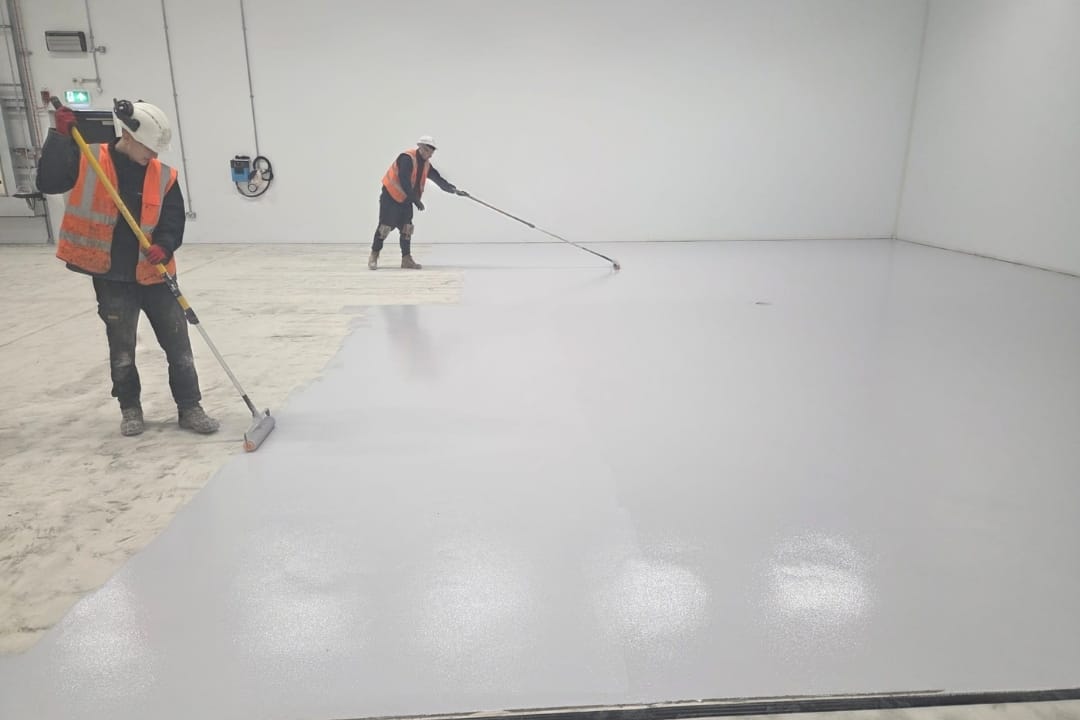
Resurfacing and Recoating
Epoxy, polyurethane, polyaspartic, or MMA systems matched to the unit’s use and your timeline.
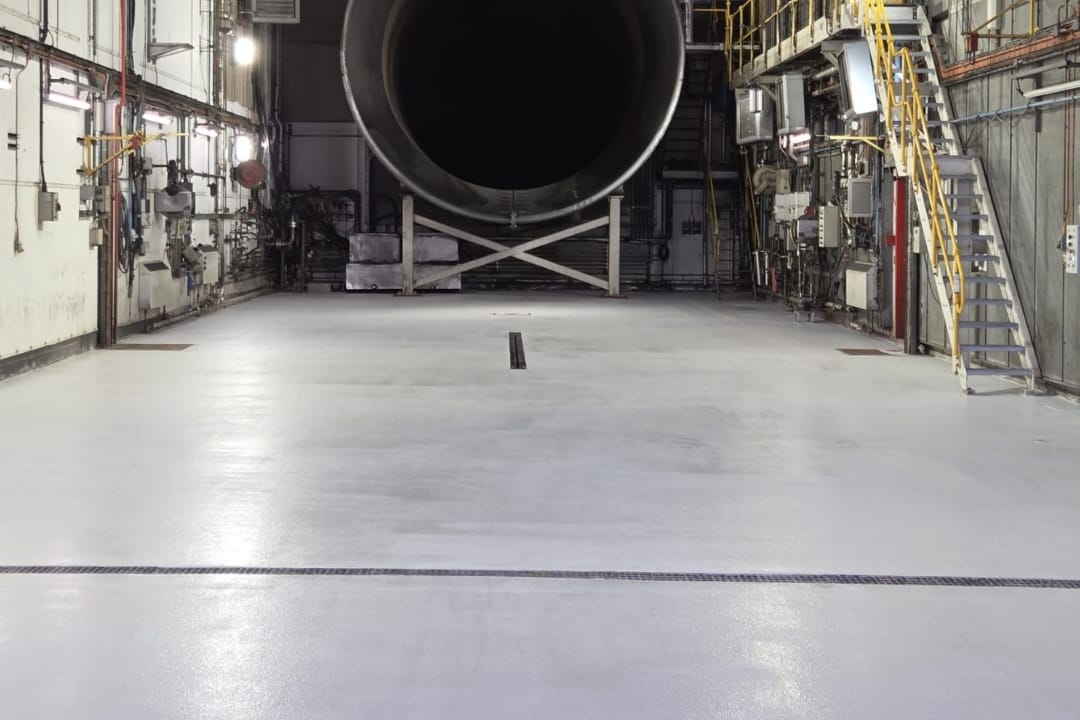
Concrete Sealing and Dust Proofing
Sealing bare concrete where the lease calls for a clean, sealed, dust-free floor at handback.
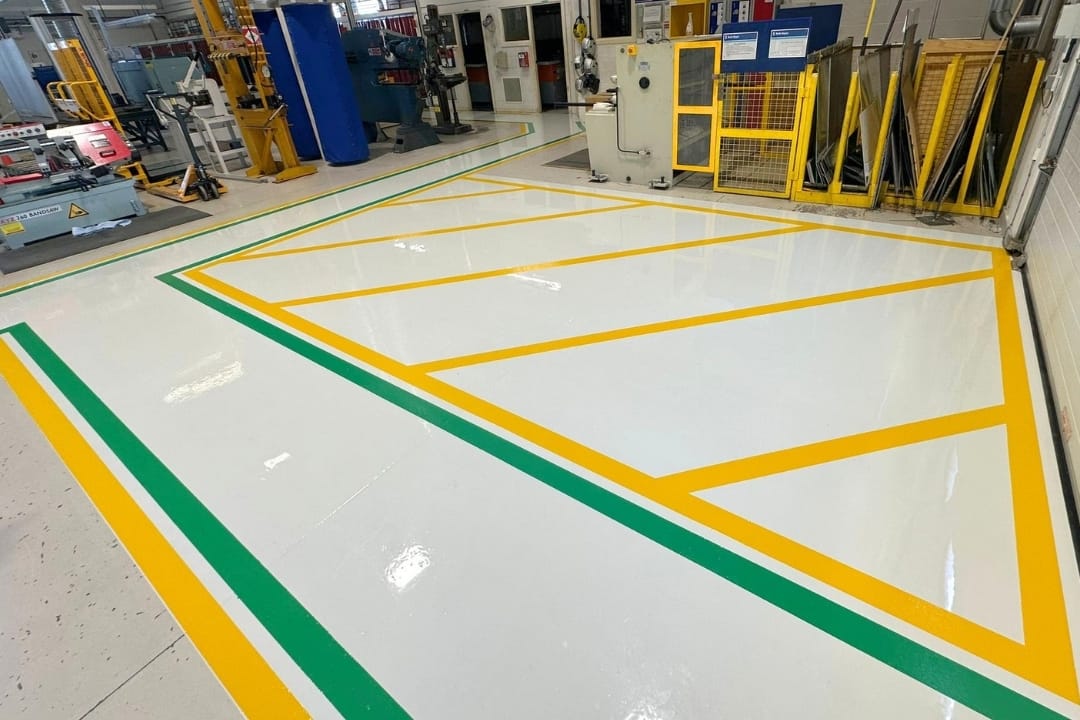
Line Marking and Demarcation Reinstatement
Removing redundant markings and reinstating compliant aisle, walkway and safety lines.
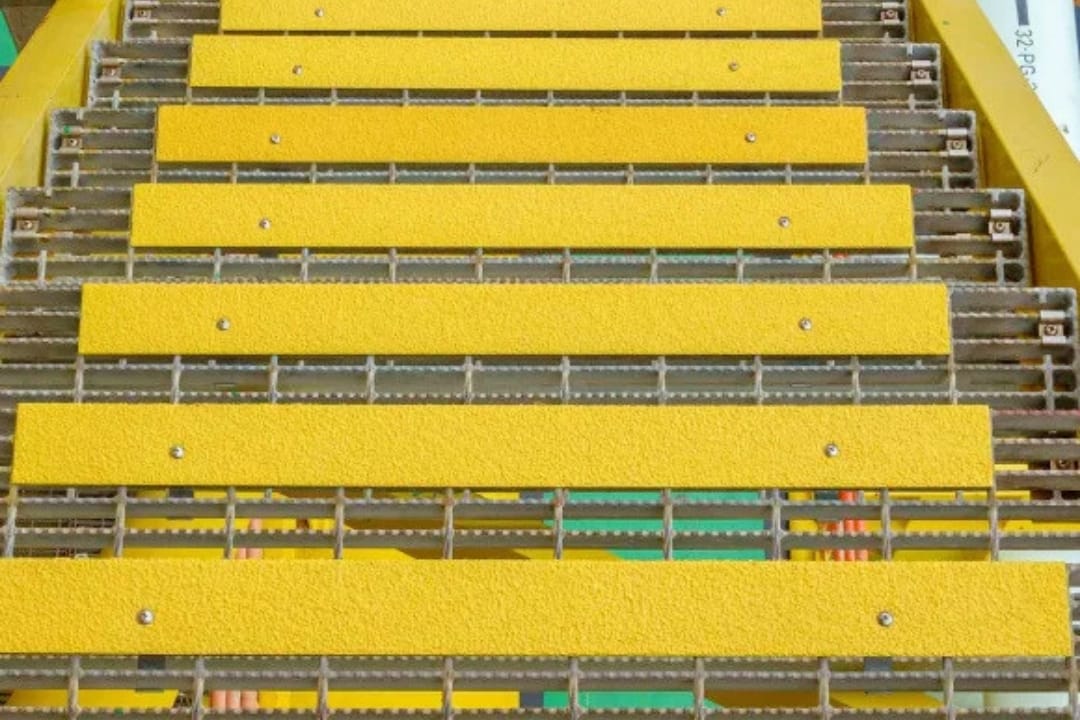
Stair Nosing and Tread Repair
Repairing worn or damaged stair edges in mezzanine and office areas is a common schedule item in multi-level units.
End-Of-Lease Applications

Food and Drink Manufacturing
Processing areas and cold stores returned to a hygienic, compliant finish.


Chemical Manufacturing
Chemical stores and mixing areas were made good after the chemical attack and staining.

Industrial Manufacturing
Workshops and thermal shock areas were repaired and recoated to a hard-wearing standard.
Understanding the installation process of resin flooring
While the installation process of resin flooring is uncomplicated, it demands the touch of professionals to achieve the best possible outcomes. Therefore, our team at Industrial Resin Flooring manages the whole process, from the initial surface preparation to the final touches. As a result, ensuring minimal interruption to your warehouse operations.
Before we embark on the installation process, we perform a detailed inspection of the area. Moreover, this involves checking for any existing damages or irregularities on the floor that could hinder the installation process. After this step, we focus on preparing the surface by ensuring it is smooth, clean, and ready. As a result, providing the perfect base for the new flooring.
At this stage, our experienced installers apply the resin flooring with a focus on achieving a smooth and even finish. Furthermore, we use top-grade materials and employ cutting-edge techniques to ensure the durability and longevity of your warehouse floor.
After the installation is complete, we don’t leave you hanging. We provide useful guidance on how to maintain your new resin flooring. By following regular cleaning routines and scheduling occasional professional maintenance, your floor will retain its aesthetic appeal and functionality for many years to come.
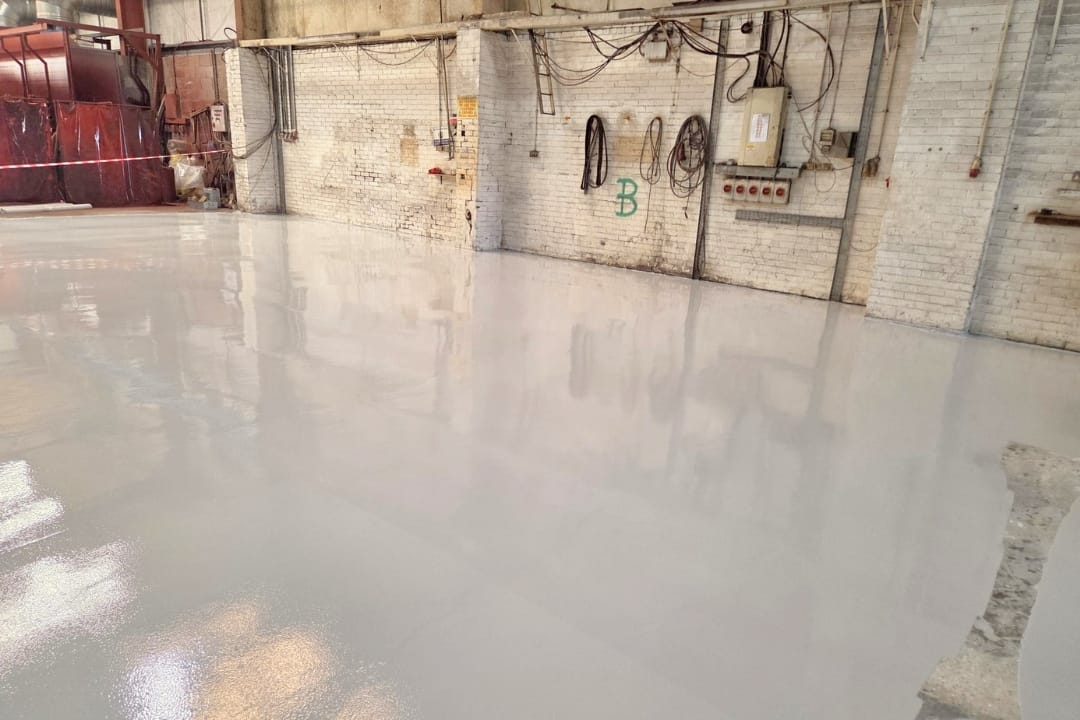
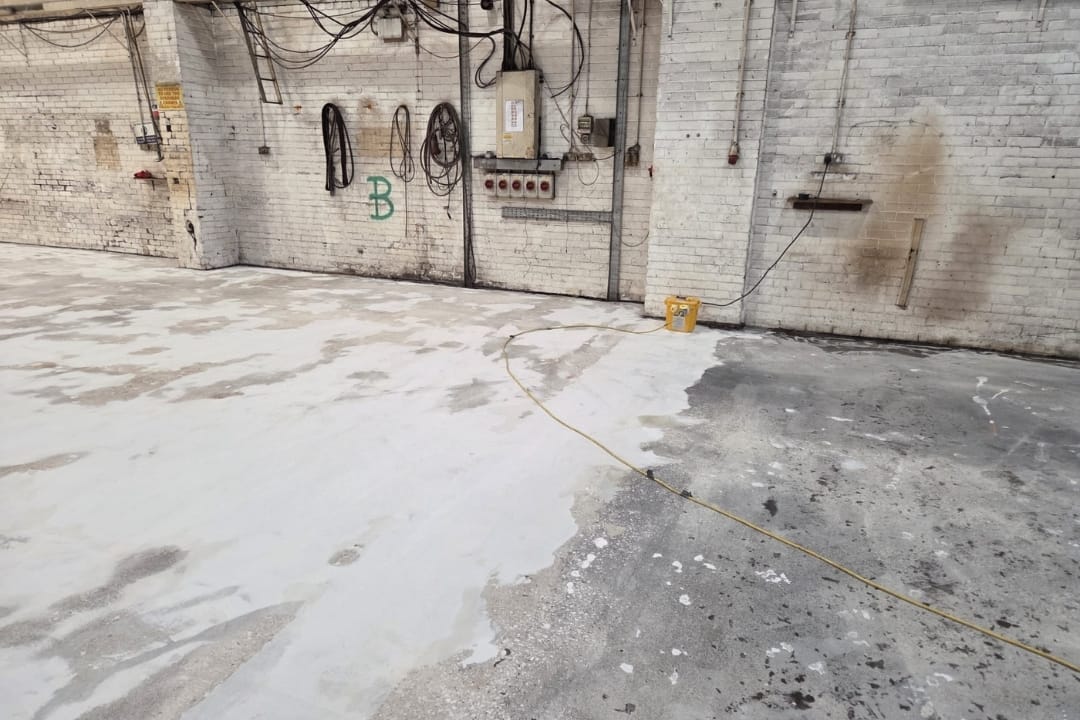
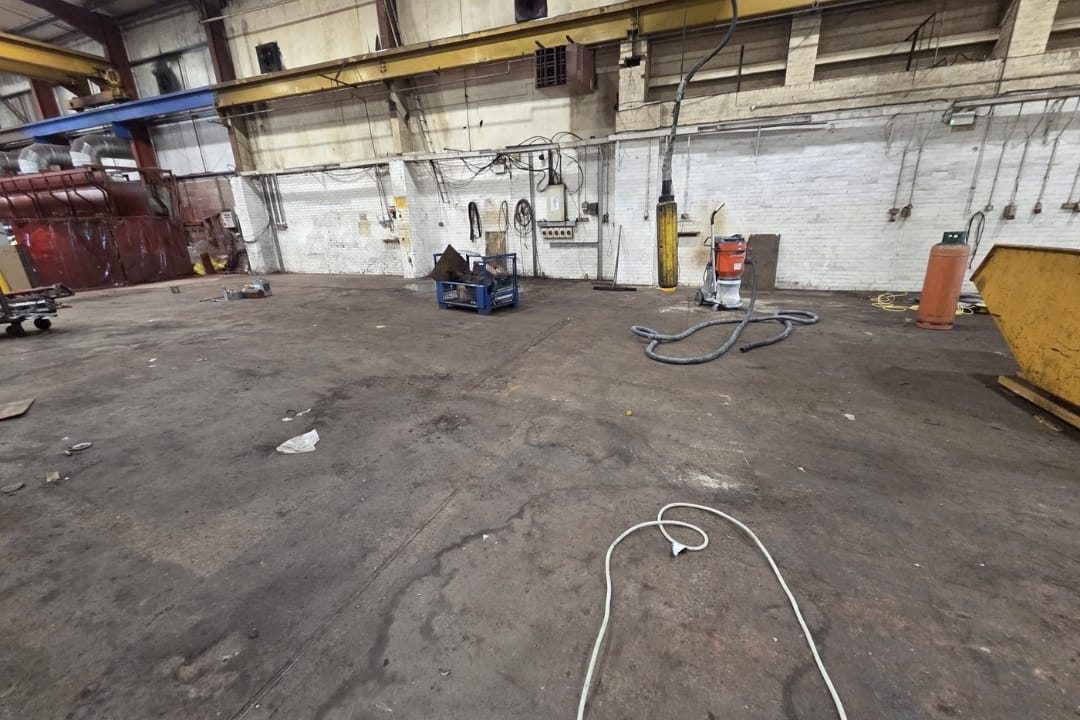
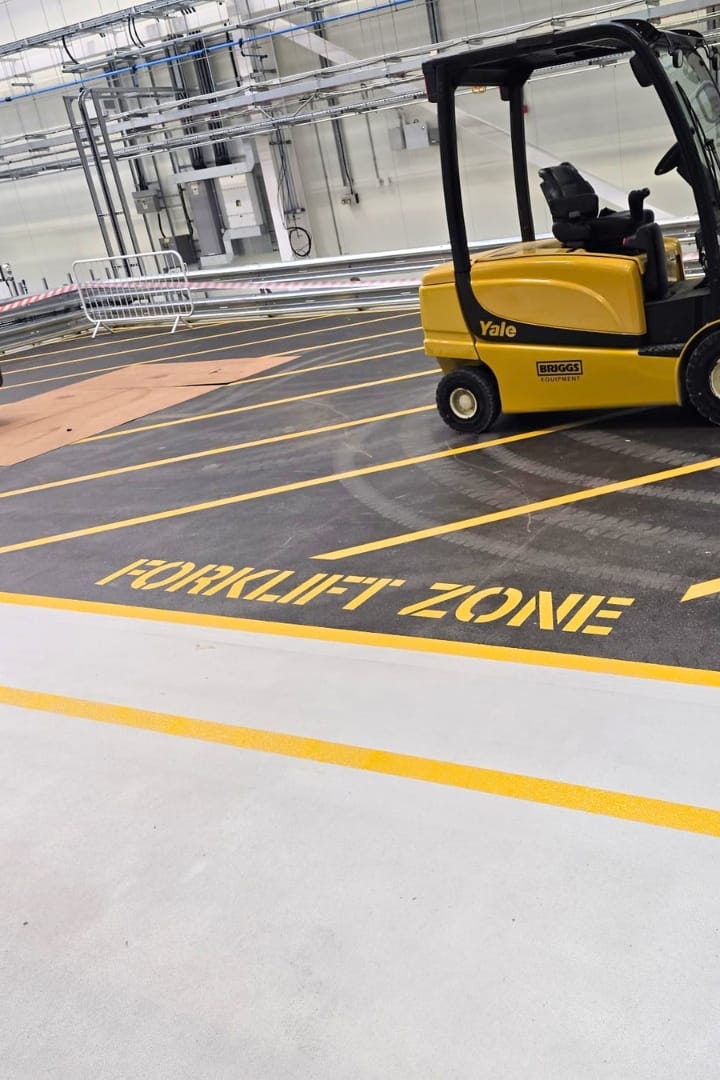
Flooring Renovations Images
Take a look at recent industrial floor repair and renovation projects across warehouses and factory units.
Let’s kickstart your project!

Request a free survey
Start with a Free Survey. We assess your needs and offer tailored recommendations, costs and proposed work.

Seamless installation
Our team of qualified specialists arrive to begin the proposed work.

Inspection & quality control
Our team of experts will complete a thorough check of the work undertaken and provide any maintenance information.
I have questions…
In most commercial leases, the tenant is responsible for repairing the floor and returning it to the agreed condition. The exact split depends on your lease, but flooring almost always sits with the tenant under a full repairing and insuring (FRI) lease. Always check your specific repair and yield-up clauses.
It lists every floor defect the landlord considers a breach of your lease: cracks, failed joints, worn or damaged coatings, impact damage, staining and sometimes redundant line markings. Each item comes with the parts needed to put it right.
It depends. Repairing gives you control of the cost and a floor that passes inspection. A settlement can be quicker but is often inflated, and you fund a floor you never use. We can price the works so you can compare the two with real figures.
Fast-cure resin systems mean even large floors can be repaired and recoated in days rather than weeks. Phased working lets us hit tight handback dates and work around any continuing operations.
Yes. We programme the works around your move-out date and, where you are still trading, around live operations, so the floor is ready for handback on time.
Get a FREE, no obligation survey
To get started, fill out our form to request a Free Survey. We’ll assess your needs and offer tailored recommendations, costs and proposed work.

